
Why the First Hours Matter After Water Damage in Glendale, CA
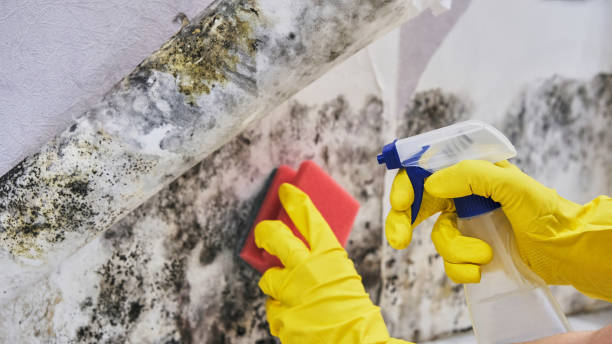
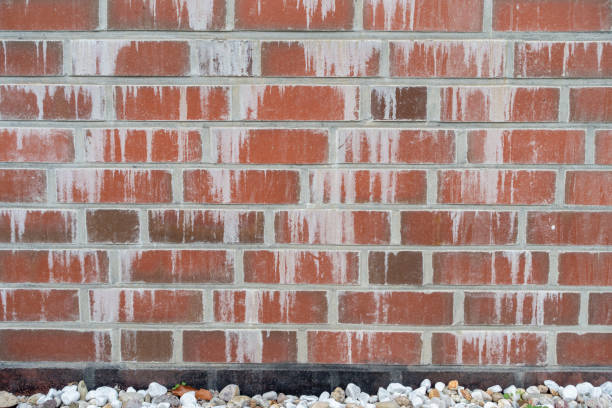
If a pipe bursts, a water heater fails, or a storm pushes floodwater into a basement, the damage grows with every hour that water is left standing. Moisture wicks into drywall, insulation, framing, and flooring far faster than most people expect, and mold can begin to grow within 24 to 48 hours on materials that stay wet. This is the reason property owners in Glendale, CA are encouraged to call for help the moment they spot a problem.
Some property owners reach for a mop and a few household fans first, yet fans alone cannot pull water out of wall cavities or subfloors. Materials can look dry while still holding enough moisture to cause rot and mold later. Commercial-grade equipment and daily moisture checks take the guesswork out of the process.
Restoration Services for Glendale, CA Residents and Property Managers
Business Leak Detection is a no-cost referral line that links callers with nearby licensed and insured water damage contractors. It is important to know that Business Leak Detection does not perform the work itself; each job is handled by an independent contractor who agrees on scope and price directly with the customer. Callers in Glendale, CA describe the problem once, and a contractor serving their area is brought in.
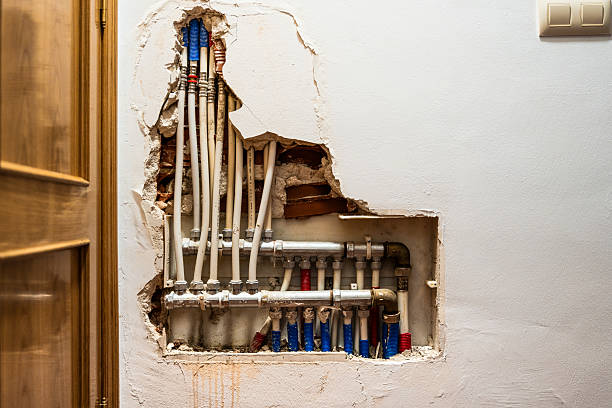
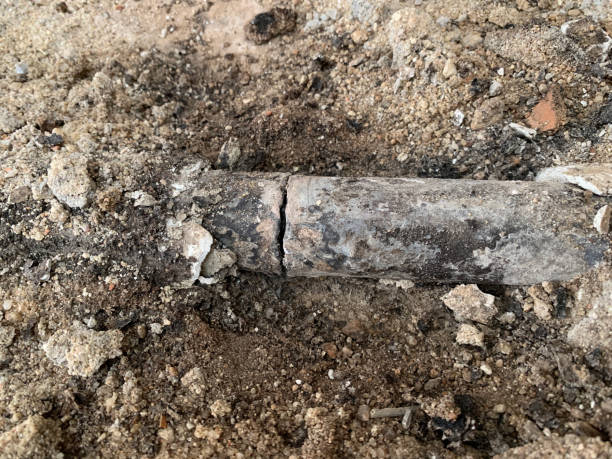
The independent pros you are matched with can take care of urgent water removal, extraction, burst pipe cleanup, flooded basement recovery, and ceiling water damage repair. They also handle storm damage recovery, sewage backup cleanup, and commercial property restoration. Whether you own a house, manage a multi-unit building, or run a business in Glendale, CA, there is a contractor who works with properties like yours.
Water from a sewer backup or rising flood is considered unsafe, which means crews suit up, tear out materials that cannot be saved, and disinfect the space. Keep children and pets away from the affected area until it has been cleaned.
How Proper Drying and Paperwork Protect Your Glendale, CA Building
Getting the standing water out is only the first step. Drying the structure behind and below the surface is what prevents long-term damage. Moisture mapping, thermal imaging, and commercial air movers and dehumidifiers are standard tools to find hidden moisture and confirm materials are truly dry, often taking readings every day until drywall, studs, and subfloor return to normal levels.
Photo and moisture documentation matters too. Photos, moisture maps, and drying logs give your insurance adjuster clear evidence of the loss and the work performed. Coverage depends on your policy and the cause of the damage, so check with your insurer, and hold on to all photos and readings.
What Happens When You Call in Glendale, CA
While you wait for help to arrive, shut off the main water valve and, if it is safe, the breaker for the affected rooms. Lift furniture off wet carpet and photograph everything for your records.
Call 323-329-3586 and describe the source, the affected rooms, and whether the leak is ongoing. A nearby contractor covering the Glendale, CA area confirms an arrival window with you. Emergency calls often get a crew on site in about an hour, though arrival depends on distance and conditions.
Before work starts, ask to see proof of licensing and insurance, and make sure the scope and price are clear up front. If the first contractor is unavailable or is not a good fit, call again and you will be routed to another one.
Do not wait while the damage spreads. If you are in Glendale, CA and need fast water damage help, dial 323-329-3586 day or night or visit https://businessleakdetection.com to learn more. There is no charge and no obligation to call.
Comments 0
You must be signed in to post comments or like this item.
Sign In to ParticipateNo comments yet
Be the first to share your thoughts!
Edit Comment