
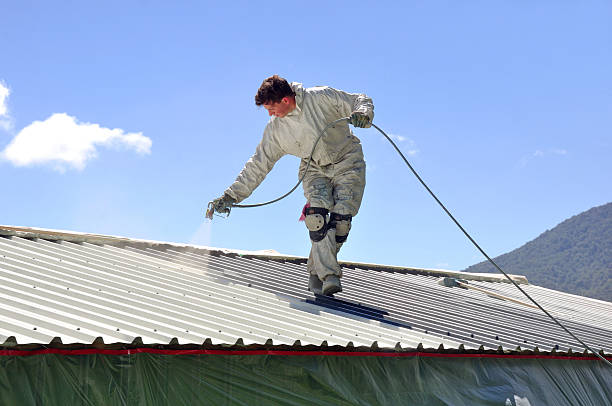
Why the High Desert Can Be Tough on Roofs
Roofs in San Antonio, TX endure a more punishing environment than many people expect. Intense mountain-state sun breaks down coatings year after year, and the summer monsoon cloudbursts exploit every gap the sun exposed. That combination is why homeowners in San Antonio, TX often notice leaks earlier than expected.
Many leaks do not begin in the center of the roof. Leaks usually form at a canale, a scupper, a parapet cap, a skylight curb or a flashing detail, and tracing the true path of the water is essential more than covering the stain on the ceiling. Standing water that stays for more than two days after a storm wears down the membrane beneath it, so smart drainage is part of every lasting repair.
Roofing Options Designed for the Southwest
A great many of the homes in San Antonio, TX have a flat or low-slope roof, from older tar and gravel and modern TPO membrane. Foam roofing with a silicone topcoat remains a strong option because it can be renewed rather than torn off, while modified bitumen offers a durable surface for busy roofs. Cool coatings help cut roof temperatures that can climb toward 180 degrees on a summer afternoon.
Steep roofs deserve equal expertise. Architectural asphalt shingles, clay and concrete tile, and standing seam metal all handle sun and hail differently, and selecting the material to the building creates a big difference. Commercial managers in San Antonio, TX can also profit from semi-annual drain service that catch small problems before they grow into expensive repairs.
Steps to Take When a Roof Leak Strikes
When water starts coming through the ceiling, clear belongings out of the way, catch the drip, and call a roofer at once. Temporary tarping can hold back additional damage overnight, and a proper repair follows when the weather clears. San Antonio, TX property owners are wise to avoid walking on a wet roof on their own.
A thorough roof walk starts with photo documentation of every seam, a level check to find standing water, and a check in the attic or at the ceiling damage to verify how the water moved. Afterward the roofer should put together a written scope which lays out patch and replacement options clearly. Where the city requires a re-roof permit, a dependable company handles it and books the inspection for San Antonio, TX properties.
Choosing a Roofing Contractor Who Stands Behind the Work
Hire a contractor that measures the roof itself rather than estimating from the footprint, since parapets, cooler platforms and multiple canales demand more work. Ask that job sites are swept daily, with a magnet sweep of yards, and that you are shown photos of the finished work prior to the invoice is settled. Be sure to verify licensing and insurance before work starts, and timelines can move with the weather.
Loya Roofing serves the San Antonio, TX community through locally rooted roofers that understand how monsoon storms treat different roofing material. For anyone in San Antonio, TX and want expert help, call (505) 636-9496 any hour and visit https://loyaroofing.com to book a roof inspection. Whether it is a stubborn leak, storm damage or a tired flat roof, a trusted roofer in San Antonio, TX can fix the problem and explain only what your roof really needs.


Comments 0
You must be signed in to post comments or like this item.
Sign In to ParticipateNo comments yet
Be the first to share your thoughts!
Edit Comment